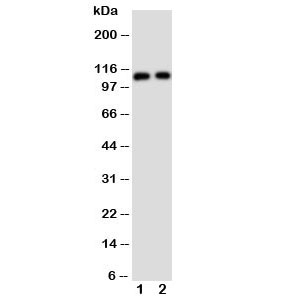
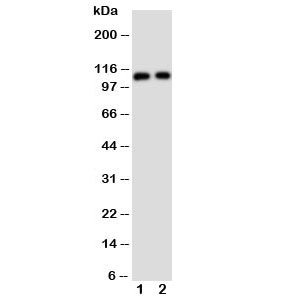
Transient receptor potential cation channel, subfamily C, member 6, also known as TRP6, is a transient receptor potentialion channel. Northern blot analysis revealed that TRPC6 is expressed primarily in placenta, lung, spleen, ovary, and small intestine. The protein is a nonselective cation channel that is activated by diacylglycerol (DAG) in a membrane-delimited fashion, independently of protein kinase C. Although TRPC3, the closest structural relative of TRPC6, is activated in the same manner, human TRPC1 and mouse Trpc4 and Trpc5 were unresponsive to DAG. Immunofluorescence studies showed that most TRPC6 expression is confined to podocytes. It is also expressed in glomerular endothelial cells. Cardiac-specific overexpression of the protein in transgenic mice resulted in heightened sensitivity to stress, a propensity for lethal cardiac growth and heart failure, and an increase in Nfat-dependent expression of beta-myosin heavy chain(MYH7), a marker for pathologic hypertrophy. Studies of Trpc6 -/- mice showed that it has a role in regulation of smooth muscle tone in blood vessels and lung.
Formulation
0.5mg/ml if reconstituted with 0.2ml sterile DI water
Host
Rabbit
Immunogen Region
An amino acid sequence from the middle region of human TRPC6 (HDYFCKCNDCNQKQKHD) was used as the immunogen for this TRPC6 antibody.
Isotype
IgG
Predicted Reactivity
Human, Mouse, Rat
Reactivity
Human, Mouse, Rat
Recombinant
No
Antigen
TRPC6
Uniprot
Q9Y210
Format
Antigen affinity purified
Purification
Antigen affinity
Storage
After reconstitution, the TRPC6 antibody can be stored for up to one month at 4°C. For long-term, aliquot and store at -20°C. Avoid repeated freezing and thawing.
Applications
IHC-P, WB
Dilution
Western blot: 0.5-1ug/ml,Immunohistochemistry (FFPE): 0.5-1ug/ml
 Loading ....