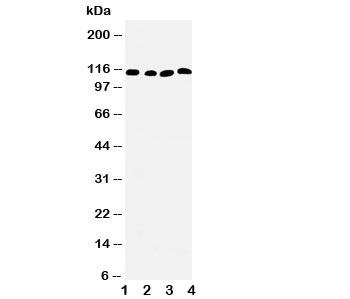
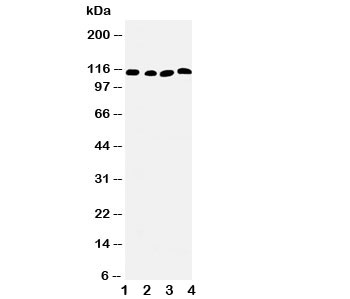
Sarcoplasmic reticulum Ca(2+)-ATPase 2, also called ATP2A2, ATP2B, encodes one of the SERCA Ca(2+)-ATPases, which are intracellular pumps located in the sarcoplasmic or endoplasmic reticula of muscle cells. They are closely related to the plasma membrane Ca(2+)-ATPases, or PMCAs. SERCA2 belongs to the large family of P-type cation pumps that couple ATP hydrolysis with cation transport across membranes. The gene is mapped on 12q24.11. SERCA2 was expressed in all specimens, with pronounced expression in the subnuclear aspect of basal epidermal keratinocytes. There was variable suprabasal expression. Expression was also observed in the infundibulum and outer root sheath of hair follicles; germinative and mature cells of sebaceous glands; secretory coil and duct of eccrine glands; apocrine gland cells; and arrector pili muscle. In Darier disease skin, strong SERCA2 positivity was detected in the basal, suprabasal, and acantholytic lesional cells. Perilesional Darier disease skin was comparable to normal skin.
Formulation
0.5mg/ml if reconstituted with 0.2ml sterile DI water
Host
Rabbit
Immunogen Region
An amino acid sequence from the middle region of human SERCA2 ATPase (QRDACLNARCFARVE) was used as the immunogen for this SERCA2 ATPase antibody (100% homologous in human, mouse and rat).
Isotype
IgG
Predicted Reactivity
Human, Mouse, Rat
Reactivity
Human, Mouse, Rat
Recombinant
No
Antigen
SERCA2 ATPase
Uniprot
P16615
Format
Antigen affinity purified
Purification
Antigen affinity
Storage
After reconstitution, the SERCA2 ATPase antibody can be stored for up to one month at 4°C. For long-term, aliquot and store at -20°C. Avoid repeated freezing and thawing.
Applications
IHC-P, WB
Dilution
Western blot: 0.5-1ug/ml,Immunohistochemistry (FFPE): 0.5-1ug/ml
 Loading ....