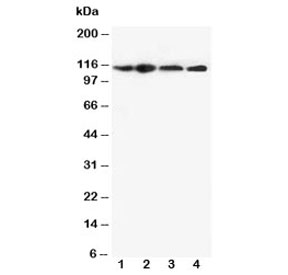
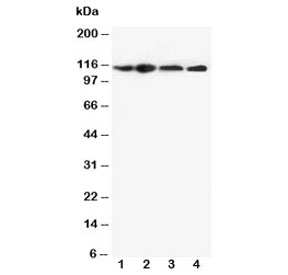
NOD-like receptor family pyrin domain containing 3, also known as CIAS1, CRYOPYRIN, NALP3 or PYPAF1, is a protein that in humans is encoded by the NLRP3 gene. The gene encodes a pyrin-like protein expressed predominantly in peripheral blood leukocytes. NLRP3 interacts with apoptosis-associated speck-like protein containing a CARD(ASC). The encoded protein may play a role in the regulation of inflammation and apoptosis. Mutation of the proteins nucleotide-binding domain reduced ATP binding, Caspase-1 activation, IL-1b production, cell death, macromolecular complex formation, self-association, and association with ASC. Consistent with an essential role for NLRP3 inflammasomes in antifungal immunity, Gross et al.showed that deficient mice are hypersusceptible to C. albicans infection. Activation of the NLRP3 inflammasome in response to virus or to RNA was dependent upon lysosomal maturation and reactive oxygen species production in human cells. The NLRP3 inflammasome senses obesity-associated danger signals and contributes to obesity-induced inflammation and insulin resistance.
Formulation
0.5mg/ml if reconstituted with 0.2ml sterile DI water
Host
Rabbit
Immunogen Region
An amino acid sequence from the N-terminus of human NLRP3 (RYLEDLEDVDLKKFKMHLED) was used as the immunogen for this NLRP3 antibody.
Isotype
Ig
Predicted Reactivity
Human, Mouse, Rat
Reactivity
Rat, Mouse, Human
Recombinant
No
Antigen
NLRP3
Uniprot
Q96P20
Format
Antigen affinity purified
Purification
Antigen affinity
Storage
After reconstitution, the NLRP3 antibody can be stored for up to one month at 4°C. For long-term, aliquot and store at -20°C. Avoid repeated freezing and thawing.
Applications
FACS, ICC, IF, IHC-P, WB
Dilution
Western blot: 0.5-1ug/ml,Immunohistochemistry (FFPE): 0.5-1ug/ml,Immunofluorescence/Immunocytochemistry: 2-3ug/ml,Flow cytometry: 1-3ug/million cells
 Loading ....