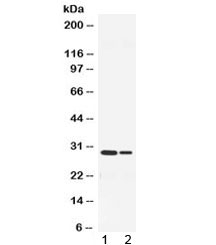
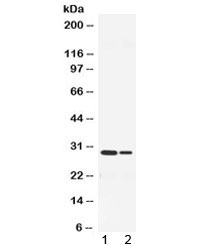
Neutrophil elastase, also called Elane, is a serine protease of neutrophil and monocyte granules. Its key physiologic role is in innate host defense, but it can also participate in tissue remodeling and possesses secretagogue actions important to local inflammatory responses. Elastases form a subfamily of serine proteases that hydrolyze many proteins in addition to elastin. Humans have six elastase genes which encode structurally similar proteins. The encoded preproprotein is proteolytically processed to generate the active protease. Following activation, this protease hydrolyzes proteins within specialized neutrophil lysosomes, called azurophil granules, as well as proteins of the extracellular matrix. This protein also degrades the outer membrane protein A (OmpA) of E. coli as well as the virulence factors of such bacteria as Shigella, Salmonella and Yersinia. Mutations in this gene are associated with cyclic neutropenia and severe congenital neutropenia (SCN). This gene is present in a gene cluster on chromosome 19.
Formulation
0.5mg/ml if reconstituted with 0.2ml sterile DI water
Host
Rabbit
Immunogen Region
Amino acids S27-N265 from the mouse protein were used as the immunogen for the Neutrophil Elastase antibody.
Isotype
IgG
Predicted Reactivity
Mouse, Rat
Reactivity
Mouse, Rat
Recombinant
No
Subcellular Location
Cytoplasmic
Antigen
Neutrophil Elastase
Uniprot
Q3UP87
Buffer
Lyophilized from 1X PBS with 2.5% BSA and 0.025% sodium azide
Format
Antigen affinity purified
Purification
Antigen affinity
Storage
After reconstitution, the Neutrophil Elastase antibody can be stored for up to one month at 4°C. For long-term, aliquot and store at -20°C. Avoid repeated freezing and thawing.
Applications
IHC-P, WB
Dilution
Western blot: 0.5-1ug/ml,Immunohistochemistry (FFPE): 1-2ug/ml
 Loading ....